
Society Becoming Narrower? Odisha Literature, Indian Cinema, and Spiritual Education
Introduction: Is Society Becoming Narrower?
Modern Indian society often presents itself as liberal, inclusive, and progressive. Yet, signs suggest that society is becoming narrower, limiting tolerance for cultural, literary, and artistic expressions that challenge contemporary norms. Examining Odisha literature, from Jayadeva’s Gita Govinda to Fakir Mohan Senapati’s Odia works, and recent Indian cinema controversies reveals how narrowing affects cultural acceptance, spirituality, and public understanding. Society Becoming Narrower is my personal observation.
Jayadeva and the 12th Century: When Devotion Embraced Sensuality
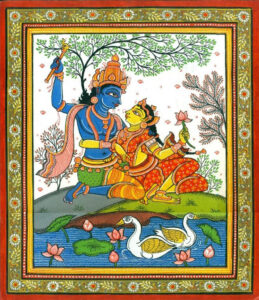
Jayadeva, the 12th-century poet from Odisha, composed the Gita Govinda, full of intimate and poetic depictions of Sri Radha and Krishna. Society of that era embraced this erotic devotional poetry, seeing it as a spiritual path rather than immoral content.
If Jayadeva wrote the same work today, critics might label him hypersexual. Modern society often separates sensuality from spirituality, showing how society is becoming narrower in its interpretation of literature and devotion. Devotion was sincere and lived inwardly in Jayadeva’s time. Today, people often perform outward displays of faith, and acceptance of challenging ideas has declined.
Fakir Mohan Senapati: Social Realities in Odia Literature
In the early 20th century, Fakir Mohan Senapati, the father of modern Odia literature, wrote Raandi Pua Ananta. The term raandi, used for prostitutes, widows, or women considered “characterless,” reflected the social realities of the time. Literature confronted society directly without moral policing.

Recently, a film with the same title faced protests, forcing the makers to rename it. This incident shows how society is becoming narrower: people react to words more than to context or meaning. Odisha literature once encouraged honest engagement with uncomfortable truths, whereas today, sensitivity often replaces understanding.
Western Influence and Education Without Spirituality
Western society, which began historically narrow, has gradually widened in the 21st century. Its global dominance spread educational models and intellectual frameworks to India. These systems emphasize analysis, correctness, and identity politics, but often ignore spirituality, moral awareness, and historical consciousness.
Indian education now informs students but fails to ground them in conscience and culture. This dynamic shows how society is becoming narrower, favoring intellectual knowledge over inner understanding, especially regarding Odisha literature, Indian cinema, and Indian cultural heritage.
Gender and Identity: Indian Wisdom Versus Western Frameworks
Indian society traditionally recognized three genders:
Purush (Male)

Stree (Female)

Kliba (Third Gender)

Communities accepted and respected the third gender naturally, integrating them into social, religious, and cultural life.
In contrast, Western frameworks created structured categories like LGBTQ, now promoted globally. Many Indians adopt these labels without realizing that traditional Indian and Odisha culture already practiced inclusive gender acceptance. Lack of spirituality and historical awareness makes acceptance superficial, reflecting another aspect of how society is becoming narrower.
The Outcome: Education Without Memory, Acceptance Without Depth
The issue lies in losing context and depth. When education lacks spirituality, historical consciousness, or responsibility, reactions become superficial. People focus on words and labels rather than understanding Odia literature, Indian cinema, and Indian traditions. Trend-driven acceptance replaces reflective insight, showing once again that society is becoming narrower.
Conclusion: Rediscovering Depth in Odisha Literature and Indian Culture
The examples of Jayadeva’s Gita Govinda, Fakir Mohan Senapati, and recent Indian cinema controversies highlight a concerning trend: society is becoming narrower. Odisha literature and Indian spiritual traditions once embraced nuance, tolerance, and cultural depth.
Modern Indian cinema, education, and social discourse can regain depth by reconnecting with spirituality, historical awareness, and cultural confidence. True progress arises not from appearing liberal but from cultivating conscience, cultural understanding, and inner reflection. Only then can society widen its vision without shrinking in thought and perception.
